Latest

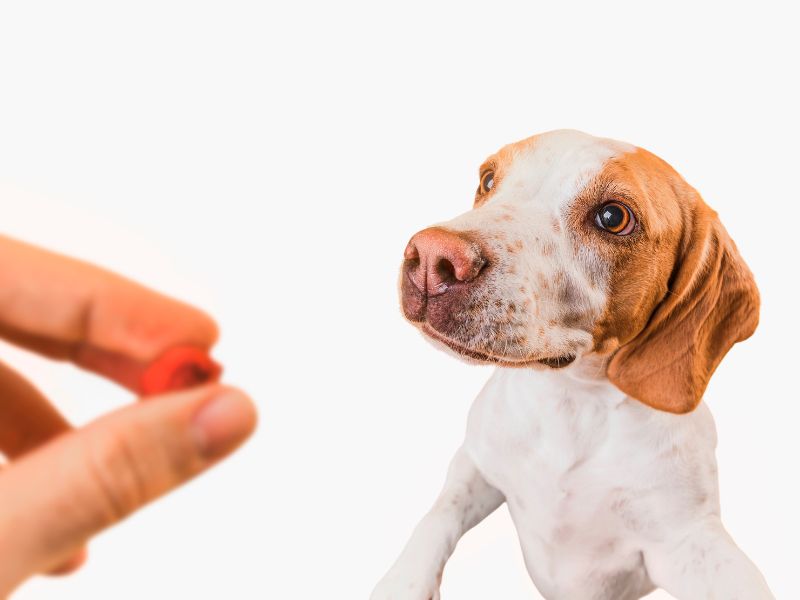
Small dogs eagerly waiting for treats on a pink background, illustrating training rewards using protein-rich dog treats and grain-free dog treats for small breeds

Grain-Free vs Protein-Rich Dog Treats Explained

Table of Content 1. The Pet Parent Paradox of Choice 2. What Are High-Protein Dog Treats? • High Protein Defined • Benefits of High-Protein Dog Treats 3. What Does Grain-Free Mean in Dog Treats? • Grain-free dog treats defined • Are grain-free dog treats actually better for dogs? • So why do some pet parents prefer grain-free treats? 4. High-Protein vs Grain-Free: What’s the Difference? 5. Are high-protein dog treats good for active or working dogs? 6. When Grain-Free Treats Are Helpful 7. How to Choose the Right Treat for Your Dog 8. What to Look for in High-Quality Dog Treats 9. How to make the best treat choice for your dog The Pet Parent Paradox of Choice If you’ve ever stood in the pet store aisle staring at a wall of dog treats, you’ll know the feeling. One pack proudly announces “High Protein!”, another claims “Grain-Free Goodness!”, and somewhere in the middle, your dog is probably thinking: “Human, stop reading and start opening.” For pet parents, choosing the right treat isn’t always as simple as grabbing the cutest packaging or the flavour that sounds the most gourmet (although “chicken and blueberry medley” does sound fancy enough for a dinner party). Today’s dog treats come with nutritional claims, ingredient lists, and dietary philosophies that can make even the most attentive dog parent pause. Two of the most common buzzwords you’ll encounter are protein-rich and grain-free. Both promise health benefits. Both have loyal fans. And both can be excellent choices depending on your dog’s needs. But here’s the million-rupee question: which one is actually better? So let’s break it down. What Are High-Protein Dog Treats? High-Protein Defined High-protein dog treats typically contain animal-based ingredients such as chicken, duck, lamb, fish, or other meats as their primary components. In simple terms, they’re treats where protein isn’t just invited to the party, it’s the main guest of honour. Why does this matter? Because dogs are naturally inclined toward diets rich in animal protein. Their bodies are well adapted to digesting and utilising protein for energy and repair. Benefits of High-Protein Dog Treats According to research, High-protein treats can offer several benefits: Muscle maintenance and growth: Particularly important for puppies, active dogs, and working breeds. Sustained energy: Protein provides long-lasting energy without rapid sugar spikes. Healthier skin and coat: Amino acids from protein support skin health and shiny fur. Greater satiety: Protein-rich snacks can help dogs feel fuller, which may prevent overeating. In short, high-protein treats can be a nutritious way to reward your dog without compromising their diet. Plus, let’s be honest, most dogs would vote for meat-based snacks if they had the chance. If dogs had social media, “#MoreChickenPlease” would probably trend daily. What Does Grain-Free Mean in Dog Treats? Grain-free Dog Treats Defined Grain-free dog treats are exactly what they sound like: treats made without grains such as wheat, corn, barley, or rice. Instead, these recipes often use alternative carbohydrate sources like sweet potatoes, peas, chickpeas, or lentils. Over the past decade, grain-free diets have become increasingly popular among pet parents. The idea behind them stems from the belief that grains are not a natural part of a dog’s ancestral diet. Are Grain-free Dog Treats Actually Better for Dogs? Grain-free dog treats have also sparked ongoing discussions within the veterinary and pet nutrition communities. Some experts point out that many dogs digest grains perfectly well, while others acknowledge that certain dogs may benefit from grain-free dog treat options, especially those with sensitivities. Dogs with confirmed grain sensitivities, digestive issues, or specific dietary restrictions may respond better to grain-free options. For these pets, avoiding grains can help reduce discomfort and improve digestion. Ultimately, grain-free dog treats are not universally better, they’re simply better for some dogs. So, Why Do Some Pet Parents Prefer Grain-Free Dog Treats? Common reasons include: Concerns about grain allergies or sensitivities A preference for simpler ingredient lists The belief that grain-free diets more closely resemble ancestral canine diets It’s important to note that grain-free doesn’t automatically mean healthier. Instead, it simply means the recipe replaces grains with other ingredients. Think of it this way: removing grains from a recipe doesn’t magically transform it into a superfood; it just changes the ingredient lineup. High-Protein vs Grain-Free: What’s the Difference? Although the two terms are often mentioned together, protein-rich and grain-free refer to completely different aspects of dog treats. High-protein describes the nutritional composition, specifically the amount of protein in the treat. Grain-free describes the ingredients used, particularly the absence of grains. A treat can actually be both. For example, a chicken-based treat made without grains could be both high-protein and grain-free. However, they serve different purposes. In other words, one is about nutrient density, while the other is about ingredient selection. Are high-protein dog treats good for active or working dogs? High-protein treats can be an excellent choice for many dogs, especially those with higher activity levels. They are particularly beneficial for: Active dogs: Dogs that run, play, and burn lots of energy often benefit from additional protein to support muscle recovery. Puppies: Growing dogs require adequate protein for healthy development. Working breeds: Dogs involved in training, agility, or outdoor activities may need higher protein intake. Lean muscle maintenance: Protein helps maintain muscle mass as dogs age. High-protein treats can also be a great training reward, since many meat-based snacks are naturally appealing to dogs. After all, convincing a dog to sit for a carrot is much harder than convincing them to sit for chicken. When Grain-Free Treats Are Helpful Grain-free treats may be the better choice for dogs with specific dietary needs. They can be helpful for: Dogs with grain sensitivities: Some dogs may experience digestive upset when consuming certain grains. Dogs on elimination diets: Grain-free treats can simplify ingredient lists when identifying potential allergens. Dogs with sensitive stomachs: Alternative carbohydrate sources may sometimes be easier to digest. Again, the key is individual response. What works perfectly for one dog may not suit another. How to Choose

Grain-Free vs Protein-Rich Dog Treats Explained Read More »

High-protein, low-calorie dog treats, How many dog treats per day is too much, How many treats per day for best dog health and dog nutrition

How Many Dog Treats Per Day Is Too Many? A Vet-Backed Guide for Indian Dog Owners

Table Of Content How Many Dog Treats Per Day Is Too Many? Can Giving Too Many Treats Harm Your Dog? What is the 10 Percent Rule for Dog Treats? How many treats can a dog have per day? How to give treats without harming your dog’s health Treat Size Calorie Density Moisture Content Protein Content What Factors Determine How Many Treats a Dog Can Have? Size and Body Weight Activity Level Age and Life Stage Overall Health and Weight Goals Training Can Increase Treat Portions How many training treats can you give your dog in a day? A Healthy Way to Think About Dog Treats FAQs How Many Dog Treats Per Day Is Too Many? Your dog gives you those eyes. You know the ones: hopeful, patient, impossible to ignore. So you reach for another treat. But at some point, most dog owners begin to wonder: how many treats per day for a dog is actually safe? Treats are a wonderful way to reward good behaviour, motivate training, and strengthen the bond between you and your pet. The problem with thinking about the question: “How Many Dog Treats Per Day?” is that it considers treats as something outside the normal boundaries of dog health. But treats aren’t an extra consideration. They are part of the overall dog nutrition that adds up to form your dog’s diet. However, they also add calories quickly, and too many can disrupt your dog’s overall diet, weight, and long-term dog health. Understanding how often you should give dog treats isn’t just about counting snacks. It’s about balancing treats within your dog nutrition plan daily. Our dog treat feeding guide walks you through it all! Can Giving Too Many Treats Harm Your Dog? Treats may seem small, but they can have a big impact on dog nutrition. Most dog treats are designed to be highly palatable. Whether crunchy or chewy, they often prioritise taste over complete nutrition. In contrast, regular dog food is formulated to provide a balanced mix of protein, fat, vitamins, and minerals that support a healthy dog diet. When treats start replacing balanced meals or adding excessive calories, several problems can arise: Weight gain and obesity Nutritional imbalance Reduced appetite for regular food Digestive upset This is why veterinarians emphasise dog treat moderation as part of a healthy, balanced dog diet with treats. The goal isn’t to eliminate treats altogether, but to make sure they remain a small part of your dog’s daily calorie intake. What is the 10 Percent Rule for Dog Treats? How many treats can a dog have per day? Understanding how many treats a dog can have per day is surprisingly more math than you’d expect a dog to make you do. Instead of counting treats alone, pet parents should think in terms of dog treat calorie intake. Veterinarians commonly recommend the 10 percent rule for dog treats as a simple way to manage treat intake. The idea is straightforward: Treats should make up no more than 10% of your dog’s daily calorie intake. The remaining 90% should come from complete and balanced dog food. So the question “How many treats should a dog eat per day?” does not have a single universal number for an answer. The safe number of dog treats per day depends on several factors, including the type of treat you are giving. How to give treats without harming your dog’s health Size: Bigger treats = more calories Calorie density: High fat/sugar increases intake Moisture: Softer treats=More moisture, meaning fewer calories per piece Protein: Can be more filling and impact overall nutrition Bottom line: Always base treat portions on calories, not count. What Factors Determine How Many Treats a Dog Can Have? Even with a general dog treats per day guideline, individual factors can influence how many treats your dog can safely eat. Size and Body Weight Larger dogs burn more calories and can usually tolerate a higher treat allowance than smaller dogs. Activity Level Active dogs that exercise frequently may have greater energy needs, meaning they can handle slightly more treats without weight gain. Age and Life Stage Puppies, adults, and senior dogs have different nutritional requirements. For example, owners often ask how many treats a puppy should have per day. Puppies may receive more small treats during training, but should still stay within healthy limits. Overall Health and Weight Goals Dogs that are overweight or prone to obesity may require stricter dog treat portion control. In such cases, veterinarians often recommend reducing treats or substituting lower-calorie rewards. Training Can Increase Treat Portions Leading veterinarians suggest that dogs often learn through association. When a behavior results in something rewarding, like a treat, praise, or playtime, they’re more likely to repeat it. So, it makes complete sense that training is one of the most common reasons pet parents give treats more frequently. However, it is important to note how this can increase the amount of dog training treats significantly. How many training treats can you give your dog in a day? Using very small training treats Breaking treats into multiple pieces Alternating food rewards with praise, toys or play Gradually reducing treats as behaviours become consistent Use part of your dog’s daily kibble for training Adjust meal portions slightly if treats increase during training Choose lower-calorie treat options A Healthy Way to Think About Dog Treats Treats are an important part of the human-dog relationship. They reinforce good behaviour, support training, and strengthen the emotional bond between pets and their owners. However, the key to healthy treating is balance. Following a clear dog treat feeding guide, monitoring dog treat calorie intake, and applying the 10 percent rule for dog treats can help ensure your dog enjoys rewards without compromising their health. So the next time your dog gives you those hopeful eyes, remember: treats are a wonderful reward, as long as they remain part of a thoughtful and balanced approach to dog feeding, dog nutrition, and long-term dog health. FAQs Q. Can I give

How Many Dog Treats Per Day Is Too Many? A Vet-Backed Guide for Indian Dog Owners Read More »

dog chewing natural bone treat at home showing typical dog snack and pet treat choice

The Indian Parents’ Guide to Reading Pet Treat Labels

TABLE OF CONTENTS What is label literacy, and why does it matter? Reading pet treat labels: The first step to good dog health! What to look for in a pet food label? 3.1 Clearly named protein sources 3.2 A short, simple ingredient list 3.3 Manufacturing and expiry information What to avoid 4.1 Vague ingredient terms 4.2 Artificial colours and excessive additives 4.3 Marketing buzzwords without explanation Paws and Reflect What is label literacy, and why does it matter? Imagine this. You’re standing in a pet store aisle, surrounded by colourful packets of dog treats promising shiny coats, strong teeth, and wagging tails. You pick up a packet that looks promising. The front says “premium meat treats”. You flip the pack over for the dreaded task: reading ingredients on the dog treat label. As you’re reading the pet treat label, you see the phrase: “meat derivatives”. You pause. What exactly does that mean? Is it chicken? Lamb? Something else entirely? And why isn’t the ingredient more clearly named? Many pet parents experience this exact moment of confusion when reading pet treat labels. Labels are filled with technical terms, vague descriptions, and marketing phrases that sound impressive but reveal very little. While the love we Indians have for our pets is unmistakable, the lack of regulatory bodies for pet food in India makes it a hotbed of confusing labels. Research has shown that the market for pet food in India is inundated with misleading marketing terms. But navigating through labels is a crucial part of taking care of our pets. Reading pet treat labels carefully ensures that the treats you give your dog are nutritious, safe, and genuinely beneficial, rather than simply well-packaged. Because when it comes to dog treats, the real story isn’t on the front of the packet. It’s on the back. Reading pet treat labels: The first step to good dog health! Good treats may seem like a small indulgence, but they play a significant role in a dog’s diet. Many pet parents use treats for training, bonding, or simply rewarding good behaviour. Over time, however, these little rewards can add up nutritionally. According to the Food Safety and Standards Authority of India, consumers should always examine ingredient lists, nutritional information, and manufacturing details when reading pet treat labels. While these guidelines are primarily designed for human food, the same principles apply strongly to a pet food label. A well-written label provides several important clues about a product: What ingredients are actually present The nutritional composition of the treat Where and how the product was manufactured In India, pet nutrition experts often emphasise that ingredient transparency is one of the most reliable indicators of product quality. When labels are clear, specific, and informative, pet parents can make better decisions. When labels rely heavily on vague or marketing-heavy language, it becomes harder to determine what the treat truly contains. Think of the act of reading pet food labels as the first health check for any product you are about to feed your dog. Your dog might not be able to read the label. But they are certainly relying on you too. What to look for in a pet food label? “What’s in a name?”, you might ask. The better question is, what’s in the label? Here are the top 3 essentials to look for when reading pet treat labels. 1. Clearly named protein sources A good label clearly specifies the source of protein. Instead of vague terms like meat derivatives or animal protein, you should ideally see ingredients such as: Chicken Lamb Fish Duck Transparent ingredient naming indicates that the manufacturer is clearly disclosing what the product contains. Indian pet nutrition platforms such as Pet India Online highlight that named protein sources help pet parents understand exactly what they are feeding their pets, particularly if the dog has allergies or dietary sensitivities. If the protein source is clearly stated, it becomes much easier to assess the quality of the treat.   2. A short, simple ingredient list When it comes to dog treats, simplicity is often a good sign. Treats that contain fewer recognisable ingredients are usually easier to evaluate and less likely to contain unnecessary additives. When reading a pet treat label, look for simple and easy-to-understand labels. Pet education platforms such as Heads Up For Tails often advise pet parents to prefer treats where the ingredient list contains straightforward components, such as: Real meat or fish Vegetables or grains Natural preservatives A long list filled with unfamiliar chemical names may indicate that the product relies heavily on additives rather than whole ingredients. If the ingredient list reads like a chemistry exam, it might be time to put the packet back on the shelf. 3. Manufacturing and expiry information A reliable label should always clearly display: Manufacturing date Expiry date Storage instructions Manufacturer details Freshness matters for pet treats just as much as it does for human food. Proper storage information also helps ensure that the product remains safe and nutritious after opening. If a label lacks clear manufacturing or expiry information, that alone is a reason to reconsider the purchase. Look out for this information with a keen eye when reading any pet treat label. What to avoid Just as important as knowing what to look for is recognising what should raise a red flag. Here are three things pet parents should be cautious about when reading pet treat labels. 1. Vague ingredient terms Terms such as: Meat derivatives Animal by-products Poultry meal (without specifying the source) These can make it difficult to determine the true quality of the ingredients used. Clear naming usually signals higher transparency.   2. Artificial colours and excessive additives Some treats include artificial colours or flavour enhancers designed primarily to appeal to the buyer rather than the dog. Dogs, after all, are far less concerned about whether their snack is bright red or neon green. These additives may not always provide any nutritional benefit.   3. Marketing buzzwords without explanation Words like:

The Indian Parents’ Guide to Reading Pet Treat Labels Read More »

pet supplement India, organic pet supplements, herbal pet supplements, pet energy boosters, pet liver support, dog hip and joint, pet weight gain supplements, anxiety relief for pets, pet calming tablets, holistic pet care, vet recommended supplements

The Rise of Pet Supplements: What You Need to Know

In recent years, pet parents in India — have become more conscious about their pet’s health. As a result, pet supplements have seen a rise in its popularity. But what exactly are these supplements? Are they necessary? And how do you know which ones to choose? Let’s break it down simply.   What Are Pet Supplements? Pet supplements are health-boosting products designed to support your pet’s body and mind. They come in many forms — chewables, powders, oils, and tablets — and often include vitamins, minerals, fatty acids, probiotics, and herbs. Just like humans take multivitamins or protein powders, dogs and cats can also benefit from extra support, especially if they have specific health conditions or are aging.   Why Are Pet Supplements Becoming So Popular? Awareness Among Pet Parents: Today’s pet owners are better informed and want the best for their pets’ well-being. Rise in Lifestyle Diseases in Pets: Conditions like joint pain, poor digestion, and anxiety are increasing — and supplements can help manage these. Holistic & Preventive Approach: Supplements are now used not just for treatment, but for preventing issues before they start. Humanization of Pets: Pets are family — and just like you care for your family’s diet and health, the same applies to your pet. Popular Types of Pet Supplements Here are some of the most common supplements in the market: Joint Support (Glucosamine & Chondroitin): Helps older dogs and large breeds stay active. Skin & Coat Supplements (Omega 3 & 6, Biotin): Adds shine, reduces shedding and itchiness. Digestive Health (Probiotics, Prebiotics): Supports gut health, especially after antibiotics or diarrhea. Multivitamins: Fills in nutritional gaps in their diet. Immune Boosters (Echinacea, Zinc): Strengthens natural defense systems. Do All Pets Need Supplements? Not always. If your pet is already on a balanced, vet-approved diet and is healthy, they may not need additional supplements. However, pets who are: Senior or aging Suffering from chronic issues On special or homemade diets Recovering from illness or surgery may greatly benefit from targeted supplements. Always consult your vet before introducing any new supplement. What to Look for When Choosing a Pet Supplement Vet Recommended Transparent Ingredient List Free from artificial colors, fillers, and preservatives Manufactured by reputed, certified brands Formulated for your pet’s breed, size, and age Conclusion The rise of pet supplements reflects how much we care for our pets’ health. While not every dog or cat needs them, when used responsibly and with guidance, they can make a huge difference in quality of life.

The Rise of Pet Supplements: What You Need to Know Read More »

How to Choose the Right Pet : Easy Guide!

Choosing the right pet for your family is an exciting journey, but with so many options, it can also feel a bit overwhelming. Whether you’re considering a playful puppy, a curious kitten, or something a little more exotic, it’s essential to find a pet that suits your family’s lifestyle, space, and energy levels. Let’s dive into some key factors to consider when finding the perfect furry (or scaly!) companion for your family.   1. Understand Your Family’s Lifestyle Before choosing a pet, take a good look at your family’s daily routine and lifestyle. Are you a busy, on-the-go family, or do you spend a lot of time at home? Do you have small children who are eager to help with pet care, or will most of the responsibility fall on one person? For Active Families: If your family loves hiking, running, or spending time outdoors, an active dog breed like a Labrador Retriever, Golden Retriever, or Border Collie might be a great fit. These breeds are energetic, friendly, and love being a part of family activities.   For Laid-Back Families: If your family prefers a more relaxed lifestyle, consider a calmer pet, such as a Bulldog, Basset Hound, or even a cat. These pets enjoy lounging around and don’t require as much exercise, making them ideal for quieter households.   2. Consider the Size of Your Living Space Your home environment plays a huge role in choosing the right pet. Large, active pets need room to roam, while smaller animals can be content in smaller spaces. For Apartment Dwellers: Living in an apartment or a small home? Opt for smaller, low-energy breeds like the French Bulldog, Cavalier King Charles Spaniel, or Shih Tzu. Cats and small pets like hamsters or fish are also great for smaller spaces as they don’t require outdoor space.     For Those with Larger Homes or Yards: If you have a spacious home or a fenced yard, you might consider larger breeds like the German Shepherd, Golden Retriever, or Dalmatian. These breeds enjoy having the room to run and explore and are a great choice if you’re looking for a playful, active pet.     3. Age and Temperament of the Pet It’s important to consider both the age and temperament of the pet you’re adopting, as these factors will influence how well they fit with your family’s lifestyle. For Families with Young Kids: If you have young children, look for gentle, patient breeds known for their kid-friendly nature. Labradors, Golden Retrievers, and Beagles are known for their calm demeanor and love for kids. Puppies or kittens may seem cute, but they can be quite a handful and require a lot of training and supervision. Consider adopting a young adult dog or cat, which may be more patient and predictable around young children.     For Families with Older Kids or Teens: Older kids and teens can handle more responsibility, so a high-energy or quirky pet might be a good fit. Breeds like Border Collies and Boxers are active and enjoy playtime, which can be perfect for teens who are looking for a fun companion. Alternatively, consider exotic pets like a rabbit, guinea pig, or even a reptile, as older kids may enjoy helping with their unique care needs.     4. Research Pet Allergies Many families overlook this factor until it’s too late. If anyone in the family has pet allergies, it’s essential to consider hypoallergenic pets. Hypoallergenic dog breeds like the Poodle, Bichon Frise, and Portuguese Water Dog produce fewer allergens and can be better suited for families with mild pet allergies. If you’re allergic to fur or dander, consider pets like fish, turtles, or other reptiles, as they don’t produce the same allergens as furry pets.     5. Think About Time and Commitment All pets require time, attention, and commitment, but the level varies by type and breed. Some pets need constant companionship, while others are more independent. Low-Maintenance Pets: If your family has a busy schedule, consider low-maintenance pets like fish, hamsters, or reptiles. Cats can also be quite independent and are generally content with feeding, litter box maintenance, and occasional playtime. High-Maintenance Pets: If you’re ready for a pet that requires more engagement, consider a dog, especially breeds like Dachshunds, Jack Russell Terriers, or Australian Shepherds. These dogs thrive on human interaction and can develop separation anxiety if left alone for too long, so they’re best for families with flexible schedules.   6. Cost of Care and Maintenance Pet ownership involves ongoing costs, including food, grooming, healthcare, and accessories. Some pets, especially certain dog breeds, may come with higher costs due to grooming needs or specific health conditions. Affordable Pets: If you’re looking for a budget-friendly pet, consider fish, hamsters, or cats, which tend to have lower maintenance costs. Breeds like Chihuahuas and Dachshunds are smaller and require less food, making them more affordable to care for. Higher-Cost Pets: Larger dogs or high-maintenance breeds like the Poodle or Maine Coon cat may require professional grooming and have higher feeding costs. Before choosing a pet, ensure you’re prepared for any expenses that may arise.   7. Consider Adoption Lastly, consider adopting from a shelter. Many wonderful pets are waiting for a forever home, and adopting can be incredibly rewarding. Shelters often have pets of all ages, breeds, and temperaments, so you’re likely to find one that matches your family’s needs. Plus, adopting gives you the satisfaction of knowing you’re giving an animal a second chance at happiness. Popular Family-Friendly Dog Breeds to Consider If you’re leaning toward a dog, here are some popular family-friendly breeds: Labrador Retriever: Known for their friendliness, energy, and love for kids. Golden Retriever: Gentle, affectionate, and great with families of all sizes. Beagle: Playful and friendly, a good choice for families with children. Cavalier King Charles Spaniel: Small, affectionate, and adaptable to different living spaces. Bulldog: Low-energy and gentle, perfect for a more relaxed family. Shih Tzu: Small, adaptable, and friendly, great for families

How to Choose the Right Pet : Easy Guide! Read More »

Flea and Tick Powder for Dogs, Natural Flea and Tick Powder Safe Flea and Tick Control, Best Flea and Tick Powder Flea and Tick Powder for Cats Chemical-Free Flea and Tick Treatment Pet Flea and Tick Powder , Fast-Acting Flea and Tick Powder, Organic Flea and Tick Powder, Flea and Tick Prevention for Pets, Effective Flea and Tick Powder, Long-Lasting Flea and Tick Powder, Vet-Approved Flea and Tick Powder

4 Reasons to Pawpaya Tick and Flea Powder Solution

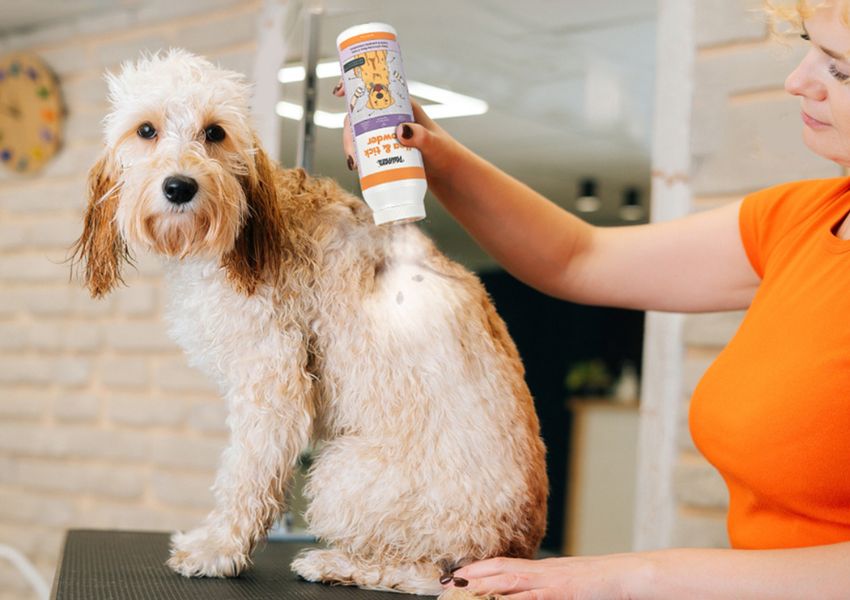
Need of  Flea and Tick Powder? Here’s a scenario. You’ve just returned from a long, fun-filled walk with your dog. Their tail’s wagging, and they’re happily exhausted after a good romp outside. But as you settle in for the evening, you notice something that makes your heart sink—a small, dark speck crawling in your pet’s fur. It’s a tick. And suddenly, that blissful outing doesn’t feel so great anymore. Ticks and fleas are more than just a nuisance—they’re a real threat to your pet’s health. Whether it’s flea & tick treatment for dogs or a reliable flea & tick collar, the moment you spot one, a wave of worry hits. Could there be more? Will your pet be okay? If you’re a pet parent, you’ve likely faced these concerns. But what if you could protect your pet from these pests, not just today but every day?   Here’s where Pawpaya’s Tick and Flea Powder comes in.      The Constant Battle Against Ticks and Fleas We all know the feeling—one minute, your pet is enjoying the great outdoors, and the next, they’re scratching away as unwanted guests make themselves at home in their fur. It’s frustrating, it’s stressful, and it feels like a never-ending battle. But why is it so tough to keep ticks and fleas at bay? These pests are sneaky. They hide in tall grass, lurk in the bushes, and can even be waiting for your pet on that seemingly harmless patch of lawn. Once they latch on, they’re hard to shake, and the consequences can be serious—from irritated skin to more severe health risks like Lyme disease. Whether you’re dealing with a flea & tick shampoo or flea & tick chews for dogs, the goal is the same: to protect your pet from these persistent pests. But with so many options out there, how do you know what’s right for them?    Why Choose Pawpaya’s Tick and Flea Powder?   Imagine having a solution that doesn’t just tackle the problem but makes your life easier and your pet’s life better. That’s exactly what Pawpaya’s Tick and Flea Powder offers—a hassle-free way to keep your pet safe from these tiny, persistent pests.     So, why a powder? Let’s break it down: – Ease of Use: No complicated steps, no messy applications. Just a simple sprinkle on your pet’s coat, and you’re done. Whether your pet is a wiggly puppy or a calm senior, applying this powder is quick and stress-free. – Effective Protection: Pawpaya’s formula is designed to do one thing—keep ticks and fleas away. It not only helps eliminate any pests already on your pet but also creates a protective barrier to prevent future infestations. – Comprehensive Solution: From flea & tick spray to flea & tick medicine, many treatments focus on a single aspect of pest control. Pawpaya’s powder, however, is a one-stop solution that provides year-round protection, ensuring that your pet stays safe regardless of the season. – Natural Ingredients: We know you care about what goes on your pet’s skin. That’s why Pawpaya uses natural ingredients that are tough on pests but gentle on your pet. No harsh chemicals, just effective, safe protection.    Year-Round Peace of Mind The beauty of Pawpaya’s Tick and Flea Powder is that it’s designed for year-round use. Whether it’s the height of summer or the chill of winter, you can trust that this powder is working to keep your pet safe. And it’s not just about killing pests—it’s about preventing them from becoming a problem in the first place. With regular use, you can enjoy every walk, hike, and backyard play session without that nagging worry in the back of your mind.      What Would It Mean to Be Worry-Free? Take a moment to think about it—what would life be like if you didn’t have to stress about ticks and fleas? What if every cuddle session with your pet was filled with nothing but love and comfort, free from the fear of what might be hiding in their fur? With Pawpaya’s Tick and Flea Powder, this can be your reality. It’s not just a product; it’s a promise of protection, comfort, and peace of mind for you and your pet. So, the next time you gear up for an outdoor adventure, sprinkle on some Pawpaya and go make memories—knowing your pet is protected, no matter what.    Your Pet Deserves the Best—Give Them Pawpaya   In the end, our pets trust us to keep them safe. With Pawpaya’s Tick and Flea Powder, you can do just that. It’s easy to use, effective, and designed with your pet’s well-being in mind. Isn’t it time you gave your pet the protection they deserve? With Pawpaya, every day can be a tick- and flea-free day. Because when it comes to your pet’s health, only the best will do.

4 Reasons to Pawpaya Tick and Flea Powder Solution Read More »

Pawpaya shampoo, pet shampoo for dogs, best shampoo for dogs, Pet Shampoo under 300, shampoo for dogs with allergies

Why Pawpaya Shampoo Are Perfect for Sensitive Pets

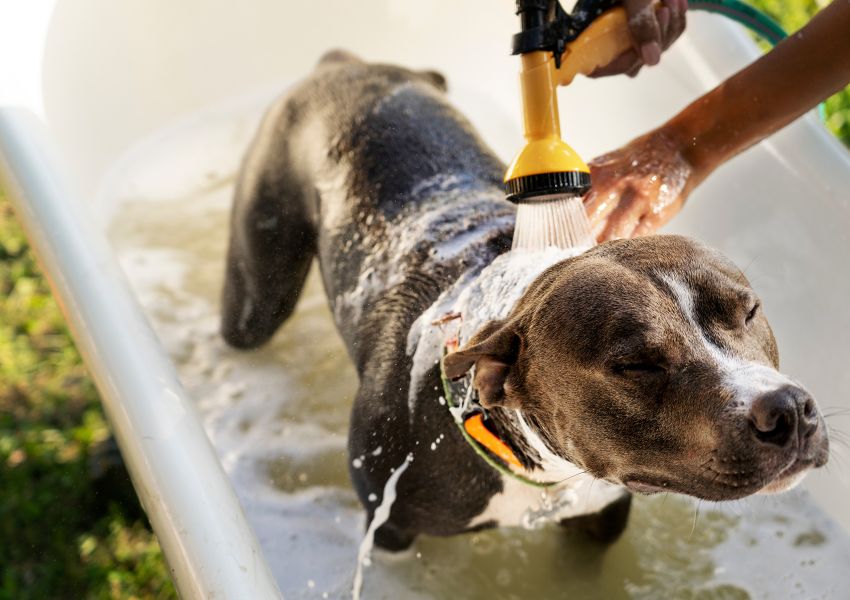
As pet parents, we all know the struggle—your furry friend is constantly itching, their skin looks irritated, and you’re left feeling helpless. You want to find the perfect solution, something that’s gentle yet effective. Well, say hello to Pawpaya Shampoo and Conditioner, the ultimate remedy for pets with sensitive skin. Let’s dive into why these products are a must-have in your grooming routine!   The Struggle of Pet Sensitive Skin.      Imagine having an itch you just can’t scratch—frustrating, right? Now, think about our pets. They can’t always tell us when something’s wrong, but their constant scratching, redness, and hot spots speak volumes. Sensitive skin is a common issue for pets, whether it’s a puppy with allergies, a dog with dry, flaky skin, or an adult dog battling hot spots. The wrong shampoo can make things worse, leading to more irritation and discomfort. That’s why it’s crucial to find a product that’s not just gentle but also packed with the right ingredients to soothe and protect. Enter Pawpaya!   Pawpaya’s Shampoo and Conditioner For Sensitive Dogs.   So, what makes Pawpaya stand out in a sea of pet grooming products? Let’s break it down.     Nature’s Best for Your Pet We all want the best for our pets, and Pawpaya delivers just that with its natural pet shampoo and organic conditioner. Forget about harsh chemicals; these products are loaded with natural ingredients. This means no more worrying about reactions—just clean, happy pets! It’s the best natural shampoo for dogs with allergies and works wonders for dogs with hot spots. Bye-Bye Baths! Does bathing makes your dog uncomfortable? Pawpaya’s Waterless shampoo for dogs is like a hydration bomb for your pet’s skin. It’s soothing, nourishing, and leaves their coat soft and shiny. No more chase for baths—just go waterless! 3. Sulphate and Paraben-Free   What’s not in your pet’s shampoo is just as important as what is. That’s why Pawpaya’s Shampoo and Conditioner are sulphate and paraben-free. These harsh chemicals can strip your pet’s skin of its natural oils, leading to dryness and irritation. With Pawpaya, you can rest easy knowing that you’re using a product that’s gentle, safe, and designed with your pet’s health in mind. Itchy Skin? Not Anymore! If your pet has been scratching like there’s no tomorrow, it’s time for a change. Pawpaya’s Tick and Flea dog shampoo is specially formulated to tackle the problem at the root. It soothes irritation, calms redness, and stops the itch in its tracks. Your pet will thank you! Versatility at Its Best Pawpaya doesn’t just stop at soothing sensitive skin. Whether you need a pet shampoo for a long coat, a pet conditioner for a silky coat, or a solution for no bath days, Pawpaya has you covered. Plus, it’s perfect for all coat colors—white dogs, black dogs, you name it!  Why Pawpaya Is the Right Choice Choosing the right grooming products isn’t just about finding something that works; it’s about finding something that you can trust to care for your pet’s health. Pawpaya is more than just a shampoo and conditioner; it’s a commitment to your pet’s well-being. Think about it—Pawpaya shampoo for dogs with ticks or Pawpaya conditioner with sensitive skin isn’t just about making them look good. It’s about making them feel good too. No more itching, no more discomfort, just a happy, healthy pet who’s ready to enjoy life to the fullest.    Conclusion Sensitive skin can be a real pain for your pets, but it doesn’t have to be. With Pawpaya’s Shampoo and Conditioner, you’ve got the perfect solution to keep your pet’s skin healthy and irritation-free. So, why wait? Give your furry friend the care they deserve with Pawpaya—because a happy pet means a happy home.   Make the switch today, and see the difference it makes!  

Why Pawpaya Shampoo Are Perfect for Sensitive Pets Read More »

Puppy pads, Pawpaya pet wipes, Pawpaya puppy pads, natural puppy pads, puppy pads on sale,

How to House Train Your Pets with Pawpaya Puppy Pads

Puppy Pads. Ever heard of them? Bringing a new puppy into your home is an exciting time filled with joy, laughter, and a few inevitable messes. As much as we adore our furry friends, the process of house training can be challenging, often leaving pet parents feeling overwhelmed and frustrated. Accidents on the floor, furniture, or carpets are not only inconvenient but can also lead to long-term stains and odors, making it difficult to maintain a clean and comfortable living environment. Research shows that consistent training is essential for a pet’s development, helping them understand boundaries and expectations. However, the reality of managing this process can be daunting, especially for first-time pet owners. Studies indicate that improper house training is one of the leading causes of pets being surrendered to shelters, a heartbreaking outcome that no pet parent wants to face. So, what’s the solution? How can you effectively train your pet while keeping your home clean and stress levels low? Enter Pawpaya Puppy Pads, a simple yet highly effective tool designed to make the house training process smoother for both you and your pet. But before diving into how these puppy training pads can help, let’s take a closer look at why these challenges occur in the first place.   The Struggles of House Training   House training is more than just teaching your pet where to go—it’s about building a routine, understanding your pet’s needs, and maintaining patience. Young pets, like puppies, have small bladders and need to relieve themselves frequently. They are also easily distracted and may not always remember where they’re supposed to go, leading to those all-too-familiar accidents around the house. Moreover, pet parents often juggle multiple responsibilities, from work to family commitments, which can make it difficult to maintain a consistent training schedule. Without the right tools and techniques, the training process can become a source of stress and tension, both for you and your pet.    Why Puppy Pads Are a Solution? Pawpaya Puppy Pads offer a practical solution that addresses the common challenges of house training in a gentle, supportive way. These potty pads for puppies are designed with advanced leak-proof technology, featuring 6-layer protection that locks in moisture and odors, keeping your home clean and fresh. But what sets Pawpaya Puppy Pads apart is their built-in attractant, which helps guide your pet to the designated spot, reinforcing good habits and reducing accidents elsewhere in the home. By using these absorbent puppy pads, you’re not just managing the mess—you’re guiding your pet toward a routine that they can easily follow. This routine is crucial for their development, providing them with the structure they need to understand where and when it’s appropriate to go.   Why Puppy Pads Are Necessary For Pet Training?   Research supports the effectiveness of puppy training pads, especially when used as part of a consistent training regimen. Studies have shown that pets trained with puppy pads are more likely to develop reliable bathroom habits, which can significantly reduce the stress associated with house training. Additionally, the built-in attractant helps attract your pet to the pad, reinforcing the idea that this is the correct spot to go. Pawpaya Puppy Pads are designed with quick-dry technology that prevents leaks and protects your floors. The wetness indicator lets you know when it’s time for a change, ensuring that your pet’s environment remains clean and comfortable. They are perfect for small to medium-sized breeds, including those that shed heavily or require frequent crate training.   Why Use Puppy Pads on Pets? Using Pawpaya Puppy Pads isn’t just about getting through the early stages of pet ownership—it’s about setting your pet up for long-term success. As your pet grows, they’ll transition to going outside or using a litter box with greater ease, thanks to the habits they developed with these eco-friendly puppy pads. This foundation can lead to fewer accidents, less stress, and a stronger bond between you and your pet. Moreover, these Puppy Pads are an excellent tool for older pets or those with medical conditions that may require indoor relief. They offer a comfortable and hygienic solution that can improve your pet’s quality of life while ensuring your home remains clean and odor-free.  Conclusion House training doesn’t have to be a battle. With the right tools and a little patience, you can help your pet learn where and when it’s appropriate to go, creating a harmonious living environment for both of you. Pawpaya Puppy Pads provide the support you need to guide your pet through this crucial stage of development, making the process smoother, less stressful, and ultimately more successful. So, whether you’re welcoming a new puppy into your home or helping an older pet navigate new challenges, Pawpaya Puppy Pads are here to make the journey easier for everyone involved. Remember, it’s not just about managing the mess—it’s about building a routine that sets your pet up for a lifetime of good habits.

How to House Train Your Pets with Pawpaya Puppy Pads Read More »

Pawpaya Pet Wipes, Pet Wipes, Pet Care, Pet Hygiene, Pet Grooming, Pet Products, Natural Pet Products, Organic Pet Products, Safe Pet Products, Gentle Pet Wipes, Convenient Pet Care, Pet Parent Tips, Pet Health, Pet Cleaning

Why Pawpaya Pet Wipes Are a Game-Changer for Pet Parents

Let’s be honest—being a pet parent comes with its fair share of messy moments. Whether it’s muddy paws, a post-dinner face wipe, or a quick freshen-up after a romp in the park, keeping your furry friend clean can feel like a never-ending task. And when you’re short on time (or energy), who wants to deal with the hassle of a full bath? That’s where Pawpaya Pet Wipes come in—your new best friend in the world of pet grooming supplies. The Struggles Without Pet Wipes Picture this: You’ve just returned from a walk with your dog, and they’ve found every muddy puddle and patch of dirt along the way. Now you’re faced with a tough choice—do you give them a bath right now or let them track dirt through your home? Or maybe your cat’s just have stubborn gunk around their eyes that they can’t reach. Without pet wipes, these daily challenges can turn into full-blown frustrations.  Why Pawpaya Pet Wipes Are a Must-Have     Enter Pawpaya Pet Wipes—the ultimate solution to keep your pet clean without the hassle. Designed for busy pet parents, these wipes are more than just a convenience—they’re a lifesaver. – Quick & Easy Cleanups: Whether it’s a dirty face, messy paws, or a quick freshen-up, Pawpaya Pet Wipes are always ready to save the day. Perfect for when you don’t have time for a bath but need a quick clean-up before your pet hops back on the couch. – Gentle on Skin, Tough on Dirt: These wipes are made with natural, non-toxic ingredients that are gentle on your pet’s skin but effective enough to tackle dirt, grime, and even odors. Say goodbye to harsh chemicals—Pawpaya Pet Wipes are safe and soothing for all pets. – Perfect for All Pets: From pet wipes for cats to pet wipes for dogs, these versatile wipes are perfect for every pet parent’s needs. They’re ideal for sensitive areas like the face, paws, and underbelly, ensuring your pet stays clean and comfortable.    Why Every Pet Parent Should Use Pet Wipes     Keeping your pet clean isn’t just about aesthetics—it’s about their health and your peace of mind. Here’s why Pawpaya Pet Wipes should be a staple in your pet grooming kit: – Prevent Skin Issues: Regularly wiping down your pet helps remove dirt, allergens, and bacteria that could lead to skin infections. Keep your pet’s coat clean and their skin healthy with these gentle wipes. – Keep Your Home Cleaner: Pets are magnets for dirt and allergens. A quick wipe-down with Pawpaya Pet Wipes before they come inside can save your floors and furniture from becoming a mess. – Banish Odors: Let’s face it—pets can get smelly, especially after outdoor adventures. Pawpaya Pet Wipes neutralize odors, leaving your pet smelling fresh without needing a full bath. – Ideal for Sensitive Pets: If your pet has sensitive skin or allergies, frequent baths might not be the best option. Pawpaya Pet Wipes offer a gentle alternative, helping to keep your pet clean and irritation-free.    What Makes Pawpaya Pet Wipes Stand Out?     With so many options on the market, why choose Pawpaya Pet Wipes? Here’s what sets them apart: – Natural & Safe Ingredients: These wipes are made with natural ingredients that are safe for all pets—no harsh chemicals, just pure, gentle cleaning. – Moisturizing Formula: Unlike some wipes that can dry out your pet’s skin, Pawpaya Pet Wipes are infused with moisturizing agents that keep their skin hydrated and their coat shiny. – Durability You Can Count On: These wipes are thick, durable, and designed to handle even the toughest messes. Whether it’s mud, drool, or something in between, these wipes get the job done. – Paraben and Sulphate-Free: Unlike some wipes that can irritate your pet’s skin, Pawpaya Pet Wipes are completely free from parabens and sulphates, ensuring they’re gentle enough for even the most sensitive pets.  Conclusion: Make Pawpaya Pet Wipes Part of Your Routine   Why struggle with unnecessary messes when Pawpaya Pet Wipes can make life easier? These wipes are a must-have for any pet parent who wants to keep their furry friend clean, happy, and healthy. Whether you’re dealing with a small mess or just want to freshen up your pet, Pawpaya Pet Wipes are the perfect solution. Say goodbye to the stress of constant baths and hello to the convenience of Pawpaya Pet Wipes—because your pet deserves the best, and so do you.

Why Pawpaya Pet Wipes Are a Game-Changer for Pet Parents Read More »

dog ear infection treatment, how to prevent dog ear infections, dog ear allergies, dog ear mites, itchy dog ears, cocker spaniel ear care, beagle ear care, basset hound ear care, dachshund ear care why is ear care important for dogs?, the link between dog ear health and overall well-being, how dirty ears can affect your dog's health, preventing common ear problems in dogs, the dangers of ignoring dog ear care

Is Your Grooming Routine Missing This Essential Step?

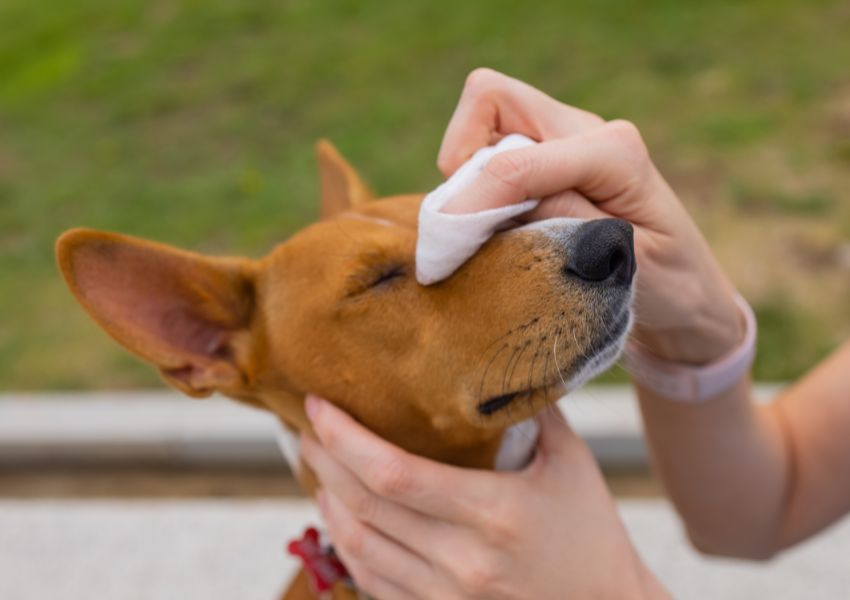
Grooming your pet is more than just a routine task—it’s a crucial aspect of their overall health and well-being. While many pet owners diligently brush, bathe, and trim their pets, there’s one essential step that is often overlooked: ear care. Neglecting this vital aspect can lead to numerous health issues, so let’s dive into why ear care should be an integral part of your pet grooming routine. The Importance of Ear Care   Your pet’s ears are sensitive and require regular attention. Unlike humans, pets’ ear canals are more vertical, which can easily trap moisture, dirt, and debris. This environment is perfect for bacteria and yeast to thrive, potentially leading to infections. Regular ear care can prevent these problems and ensure your pet’s ears stay healthy. Tip: Use a gentle ear cleanser once a week to remove dirt and wax build-up. Look for products specifically designed for pets to avoid irritation. Identifying Signs of Ear Problems Understanding the signs of ear issues can help you take prompt action. Common symptoms include frequent scratching, head shaking, redness, swelling, and an unpleasant odor. If you notice any of these signs, it’s crucial to consult your veterinarian for a thorough examination. Tip: Regularly inspect your pet’s ears for any unusual signs. Early detection can save your pet from discomfort and prevent more serious health issues. The Right Way to Clean Your Pet’s Ears Proper technique is key to effective ear cleaning. Always use a pet-specific ear cleaner and avoid inserting anything deep into the ear canal. Gently massage the base of the ear after applying the cleaner, then allow your pet to shake their head to dislodge any debris. Wipe the outer ear with a clean cotton ball or gauze. Tip: Make ear cleaning a positive experience for your pet by offering treats and praise. This will help them associate ear care with positive outcomes. Choosing the Best Ear Cleaner Not all ear cleaners are created equal. Some may contain harsh chemicals that can irritate your pet’s ears. Opt for products with natural ingredients like aloe vera, chamomile, and tea tree oil, known for their soothing and antiseptic properties. Tip: Consult your vet for recommendations on the best ear cleaner for your pet’s specific needs, especially if they have sensitive skin or a history of ear problems. Frequency of Ear Cleaning The frequency of ear cleaning depends on your pet’s breed, lifestyle, and ear health. Pets with floppy ears, like Cocker Spaniels and Basset Hounds, may require more frequent cleaning due to limited air circulation. Active pets who swim often or spend time outdoors might also need more regular ear care. Tip: Create a grooming schedule that includes regular ear checks and cleaning. Adjust the frequency based on your pet’s individual needs and your vet’s advice. The Role of Diet in Ear Health Believe it or not, your pet’s diet can impact their ear health. Food allergies or sensitivities can manifest as chronic ear infections. Ensuring a balanced diet with high-quality ingredients can help prevent such issues and contribute to overall well-being. Tip: Monitor your pet’s diet and watch for any signs of food allergies, such as itching or recurrent ear infections. Consult your vet to identify and manage any dietary concerns. Conclusion: Make Ear Care a Priority Incorporating ear care into your grooming routine is essential for maintaining your pet’s health and happiness. By regularly cleaning and inspecting your pet’s ears, you can prevent infections and other complications. Remember, a little effort goes a long way in keeping your furry friend comfortable and healthy. Tip: Start incorporating ear care into your grooming routine today. Your pet will thank you with better health and a wagging tail!  

Is Your Grooming Routine Missing This Essential Step? Read More »

Scroll to Top