Treats

Small dogs eagerly waiting for treats on a pink background, illustrating training rewards using protein-rich dog treats and grain-free dog treats for small breeds

Grain-Free vs Protein-Rich Dog Treats Explained

Table of Content 1. The Pet Parent Paradox of Choice 2. What Are High-Protein Dog Treats? • High Protein Defined • Benefits of High-Protein Dog Treats 3. What Does Grain-Free Mean in Dog Treats? • Grain-free dog treats defined • Are grain-free dog treats actually better for dogs? • So why do some pet parents prefer grain-free treats? 4. High-Protein vs Grain-Free: What’s the Difference? 5. Are high-protein dog treats good for active or working dogs? 6. When Grain-Free Treats Are Helpful 7. How to Choose the Right Treat for Your Dog 8. What to Look for in High-Quality Dog Treats 9. How to make the best treat choice for your dog The Pet Parent Paradox of Choice If you’ve ever stood in the pet store aisle staring at a wall of dog treats, you’ll know the feeling. One pack proudly announces “High Protein!”, another claims “Grain-Free Goodness!”, and somewhere in the middle, your dog is probably thinking: “Human, stop reading and start opening.” For pet parents, choosing the right treat isn’t always as simple as grabbing the cutest packaging or the flavour that sounds the most gourmet (although “chicken and blueberry medley” does sound fancy enough for a dinner party). Today’s dog treats come with nutritional claims, ingredient lists, and dietary philosophies that can make even the most attentive dog parent pause. Two of the most common buzzwords you’ll encounter are protein-rich and grain-free. Both promise health benefits. Both have loyal fans. And both can be excellent choices depending on your dog’s needs. But here’s the million-rupee question: which one is actually better? So let’s break it down. What Are High-Protein Dog Treats? High-Protein Defined High-protein dog treats typically contain animal-based ingredients such as chicken, duck, lamb, fish, or other meats as their primary components. In simple terms, they’re treats where protein isn’t just invited to the party, it’s the main guest of honour. Why does this matter? Because dogs are naturally inclined toward diets rich in animal protein. Their bodies are well adapted to digesting and utilising protein for energy and repair. Benefits of High-Protein Dog Treats According to research, High-protein treats can offer several benefits: Muscle maintenance and growth: Particularly important for puppies, active dogs, and working breeds. Sustained energy: Protein provides long-lasting energy without rapid sugar spikes. Healthier skin and coat: Amino acids from protein support skin health and shiny fur. Greater satiety: Protein-rich snacks can help dogs feel fuller, which may prevent overeating. In short, high-protein treats can be a nutritious way to reward your dog without compromising their diet. Plus, let’s be honest, most dogs would vote for meat-based snacks if they had the chance. If dogs had social media, “#MoreChickenPlease” would probably trend daily. What Does Grain-Free Mean in Dog Treats? Grain-free Dog Treats Defined Grain-free dog treats are exactly what they sound like: treats made without grains such as wheat, corn, barley, or rice. Instead, these recipes often use alternative carbohydrate sources like sweet potatoes, peas, chickpeas, or lentils. Over the past decade, grain-free diets have become increasingly popular among pet parents. The idea behind them stems from the belief that grains are not a natural part of a dog’s ancestral diet. Are Grain-free Dog Treats Actually Better for Dogs? Grain-free dog treats have also sparked ongoing discussions within the veterinary and pet nutrition communities. Some experts point out that many dogs digest grains perfectly well, while others acknowledge that certain dogs may benefit from grain-free dog treat options, especially those with sensitivities. Dogs with confirmed grain sensitivities, digestive issues, or specific dietary restrictions may respond better to grain-free options. For these pets, avoiding grains can help reduce discomfort and improve digestion. Ultimately, grain-free dog treats are not universally better, they’re simply better for some dogs. So, Why Do Some Pet Parents Prefer Grain-Free Dog Treats? Common reasons include: Concerns about grain allergies or sensitivities A preference for simpler ingredient lists The belief that grain-free diets more closely resemble ancestral canine diets It’s important to note that grain-free doesn’t automatically mean healthier. Instead, it simply means the recipe replaces grains with other ingredients. Think of it this way: removing grains from a recipe doesn’t magically transform it into a superfood; it just changes the ingredient lineup. High-Protein vs Grain-Free: What’s the Difference? Although the two terms are often mentioned together, protein-rich and grain-free refer to completely different aspects of dog treats. High-protein describes the nutritional composition, specifically the amount of protein in the treat. Grain-free describes the ingredients used, particularly the absence of grains. A treat can actually be both. For example, a chicken-based treat made without grains could be both high-protein and grain-free. However, they serve different purposes. In other words, one is about nutrient density, while the other is about ingredient selection. Are high-protein dog treats good for active or working dogs? High-protein treats can be an excellent choice for many dogs, especially those with higher activity levels. They are particularly beneficial for: Active dogs: Dogs that run, play, and burn lots of energy often benefit from additional protein to support muscle recovery. Puppies: Growing dogs require adequate protein for healthy development. Working breeds: Dogs involved in training, agility, or outdoor activities may need higher protein intake. Lean muscle maintenance: Protein helps maintain muscle mass as dogs age. High-protein treats can also be a great training reward, since many meat-based snacks are naturally appealing to dogs. After all, convincing a dog to sit for a carrot is much harder than convincing them to sit for chicken. When Grain-Free Treats Are Helpful Grain-free treats may be the better choice for dogs with specific dietary needs. They can be helpful for: Dogs with grain sensitivities: Some dogs may experience digestive upset when consuming certain grains. Dogs on elimination diets: Grain-free treats can simplify ingredient lists when identifying potential allergens. Dogs with sensitive stomachs: Alternative carbohydrate sources may sometimes be easier to digest. Again, the key is individual response. What works perfectly for one dog may not suit another. How to Choose

Grain-Free vs Protein-Rich Dog Treats Explained Read More »

High-protein, low-calorie dog treats, How many dog treats per day is too much, How many treats per day for best dog health and dog nutrition

How Many Dog Treats Per Day Is Too Many? A Vet-Backed Guide for Indian Dog Owners

Table Of Content How Many Dog Treats Per Day Is Too Many? Can Giving Too Many Treats Harm Your Dog? What is the 10 Percent Rule for Dog Treats? How many treats can a dog have per day? How to give treats without harming your dog’s health Treat Size Calorie Density Moisture Content Protein Content What Factors Determine How Many Treats a Dog Can Have? Size and Body Weight Activity Level Age and Life Stage Overall Health and Weight Goals Training Can Increase Treat Portions How many training treats can you give your dog in a day? A Healthy Way to Think About Dog Treats FAQs How Many Dog Treats Per Day Is Too Many? Your dog gives you those eyes. You know the ones: hopeful, patient, impossible to ignore. So you reach for another treat. But at some point, most dog owners begin to wonder: how many treats per day for a dog is actually safe? Treats are a wonderful way to reward good behaviour, motivate training, and strengthen the bond between you and your pet. The problem with thinking about the question: “How Many Dog Treats Per Day?” is that it considers treats as something outside the normal boundaries of dog health. But treats aren’t an extra consideration. They are part of the overall dog nutrition that adds up to form your dog’s diet. However, they also add calories quickly, and too many can disrupt your dog’s overall diet, weight, and long-term dog health. Understanding how often you should give dog treats isn’t just about counting snacks. It’s about balancing treats within your dog nutrition plan daily. Our dog treat feeding guide walks you through it all! Can Giving Too Many Treats Harm Your Dog? Treats may seem small, but they can have a big impact on dog nutrition. Most dog treats are designed to be highly palatable. Whether crunchy or chewy, they often prioritise taste over complete nutrition. In contrast, regular dog food is formulated to provide a balanced mix of protein, fat, vitamins, and minerals that support a healthy dog diet. When treats start replacing balanced meals or adding excessive calories, several problems can arise: Weight gain and obesity Nutritional imbalance Reduced appetite for regular food Digestive upset This is why veterinarians emphasise dog treat moderation as part of a healthy, balanced dog diet with treats. The goal isn’t to eliminate treats altogether, but to make sure they remain a small part of your dog’s daily calorie intake. What is the 10 Percent Rule for Dog Treats? How many treats can a dog have per day? Understanding how many treats a dog can have per day is surprisingly more math than you’d expect a dog to make you do. Instead of counting treats alone, pet parents should think in terms of dog treat calorie intake. Veterinarians commonly recommend the 10 percent rule for dog treats as a simple way to manage treat intake. The idea is straightforward: Treats should make up no more than 10% of your dog’s daily calorie intake. The remaining 90% should come from complete and balanced dog food. So the question “How many treats should a dog eat per day?” does not have a single universal number for an answer. The safe number of dog treats per day depends on several factors, including the type of treat you are giving. How to give treats without harming your dog’s health Size: Bigger treats = more calories Calorie density: High fat/sugar increases intake Moisture: Softer treats=More moisture, meaning fewer calories per piece Protein: Can be more filling and impact overall nutrition Bottom line: Always base treat portions on calories, not count. What Factors Determine How Many Treats a Dog Can Have? Even with a general dog treats per day guideline, individual factors can influence how many treats your dog can safely eat. Size and Body Weight Larger dogs burn more calories and can usually tolerate a higher treat allowance than smaller dogs. Activity Level Active dogs that exercise frequently may have greater energy needs, meaning they can handle slightly more treats without weight gain. Age and Life Stage Puppies, adults, and senior dogs have different nutritional requirements. For example, owners often ask how many treats a puppy should have per day. Puppies may receive more small treats during training, but should still stay within healthy limits. Overall Health and Weight Goals Dogs that are overweight or prone to obesity may require stricter dog treat portion control. In such cases, veterinarians often recommend reducing treats or substituting lower-calorie rewards. Training Can Increase Treat Portions Leading veterinarians suggest that dogs often learn through association. When a behavior results in something rewarding, like a treat, praise, or playtime, they’re more likely to repeat it. So, it makes complete sense that training is one of the most common reasons pet parents give treats more frequently. However, it is important to note how this can increase the amount of dog training treats significantly. How many training treats can you give your dog in a day? Using very small training treats Breaking treats into multiple pieces Alternating food rewards with praise, toys or play Gradually reducing treats as behaviours become consistent Use part of your dog’s daily kibble for training Adjust meal portions slightly if treats increase during training Choose lower-calorie treat options A Healthy Way to Think About Dog Treats Treats are an important part of the human-dog relationship. They reinforce good behaviour, support training, and strengthen the emotional bond between pets and their owners. However, the key to healthy treating is balance. Following a clear dog treat feeding guide, monitoring dog treat calorie intake, and applying the 10 percent rule for dog treats can help ensure your dog enjoys rewards without compromising their health. So the next time your dog gives you those hopeful eyes, remember: treats are a wonderful reward, as long as they remain part of a thoughtful and balanced approach to dog feeding, dog nutrition, and long-term dog health. FAQs Q. Can I give

How Many Dog Treats Per Day Is Too Many? A Vet-Backed Guide for Indian Dog Owners Read More »

dog chewing natural bone treat at home showing typical dog snack and pet treat choice

The Indian Parents’ Guide to Reading Pet Treat Labels

TABLE OF CONTENTS What is label literacy, and why does it matter? Reading pet treat labels: The first step to good dog health! What to look for in a pet food label? 3.1 Clearly named protein sources 3.2 A short, simple ingredient list 3.3 Manufacturing and expiry information What to avoid 4.1 Vague ingredient terms 4.2 Artificial colours and excessive additives 4.3 Marketing buzzwords without explanation Paws and Reflect What is label literacy, and why does it matter? Imagine this. You’re standing in a pet store aisle, surrounded by colourful packets of dog treats promising shiny coats, strong teeth, and wagging tails. You pick up a packet that looks promising. The front says “premium meat treats”. You flip the pack over for the dreaded task: reading ingredients on the dog treat label. As you’re reading the pet treat label, you see the phrase: “meat derivatives”. You pause. What exactly does that mean? Is it chicken? Lamb? Something else entirely? And why isn’t the ingredient more clearly named? Many pet parents experience this exact moment of confusion when reading pet treat labels. Labels are filled with technical terms, vague descriptions, and marketing phrases that sound impressive but reveal very little. While the love we Indians have for our pets is unmistakable, the lack of regulatory bodies for pet food in India makes it a hotbed of confusing labels. Research has shown that the market for pet food in India is inundated with misleading marketing terms. But navigating through labels is a crucial part of taking care of our pets. Reading pet treat labels carefully ensures that the treats you give your dog are nutritious, safe, and genuinely beneficial, rather than simply well-packaged. Because when it comes to dog treats, the real story isn’t on the front of the packet. It’s on the back. Reading pet treat labels: The first step to good dog health! Good treats may seem like a small indulgence, but they play a significant role in a dog’s diet. Many pet parents use treats for training, bonding, or simply rewarding good behaviour. Over time, however, these little rewards can add up nutritionally. According to the Food Safety and Standards Authority of India, consumers should always examine ingredient lists, nutritional information, and manufacturing details when reading pet treat labels. While these guidelines are primarily designed for human food, the same principles apply strongly to a pet food label. A well-written label provides several important clues about a product: What ingredients are actually present The nutritional composition of the treat Where and how the product was manufactured In India, pet nutrition experts often emphasise that ingredient transparency is one of the most reliable indicators of product quality. When labels are clear, specific, and informative, pet parents can make better decisions. When labels rely heavily on vague or marketing-heavy language, it becomes harder to determine what the treat truly contains. Think of the act of reading pet food labels as the first health check for any product you are about to feed your dog. Your dog might not be able to read the label. But they are certainly relying on you too. What to look for in a pet food label? “What’s in a name?”, you might ask. The better question is, what’s in the label? Here are the top 3 essentials to look for when reading pet treat labels. 1. Clearly named protein sources A good label clearly specifies the source of protein. Instead of vague terms like meat derivatives or animal protein, you should ideally see ingredients such as: Chicken Lamb Fish Duck Transparent ingredient naming indicates that the manufacturer is clearly disclosing what the product contains. Indian pet nutrition platforms such as Pet India Online highlight that named protein sources help pet parents understand exactly what they are feeding their pets, particularly if the dog has allergies or dietary sensitivities. If the protein source is clearly stated, it becomes much easier to assess the quality of the treat.   2. A short, simple ingredient list When it comes to dog treats, simplicity is often a good sign. Treats that contain fewer recognisable ingredients are usually easier to evaluate and less likely to contain unnecessary additives. When reading a pet treat label, look for simple and easy-to-understand labels. Pet education platforms such as Heads Up For Tails often advise pet parents to prefer treats where the ingredient list contains straightforward components, such as: Real meat or fish Vegetables or grains Natural preservatives A long list filled with unfamiliar chemical names may indicate that the product relies heavily on additives rather than whole ingredients. If the ingredient list reads like a chemistry exam, it might be time to put the packet back on the shelf. 3. Manufacturing and expiry information A reliable label should always clearly display: Manufacturing date Expiry date Storage instructions Manufacturer details Freshness matters for pet treats just as much as it does for human food. Proper storage information also helps ensure that the product remains safe and nutritious after opening. If a label lacks clear manufacturing or expiry information, that alone is a reason to reconsider the purchase. Look out for this information with a keen eye when reading any pet treat label. What to avoid Just as important as knowing what to look for is recognising what should raise a red flag. Here are three things pet parents should be cautious about when reading pet treat labels. 1. Vague ingredient terms Terms such as: Meat derivatives Animal by-products Poultry meal (without specifying the source) These can make it difficult to determine the true quality of the ingredients used. Clear naming usually signals higher transparency.   2. Artificial colours and excessive additives Some treats include artificial colours or flavour enhancers designed primarily to appeal to the buyer rather than the dog. Dogs, after all, are far less concerned about whether their snack is bright red or neon green. These additives may not always provide any nutritional benefit.   3. Marketing buzzwords without explanation Words like:

The Indian Parents’ Guide to Reading Pet Treat Labels Read More »

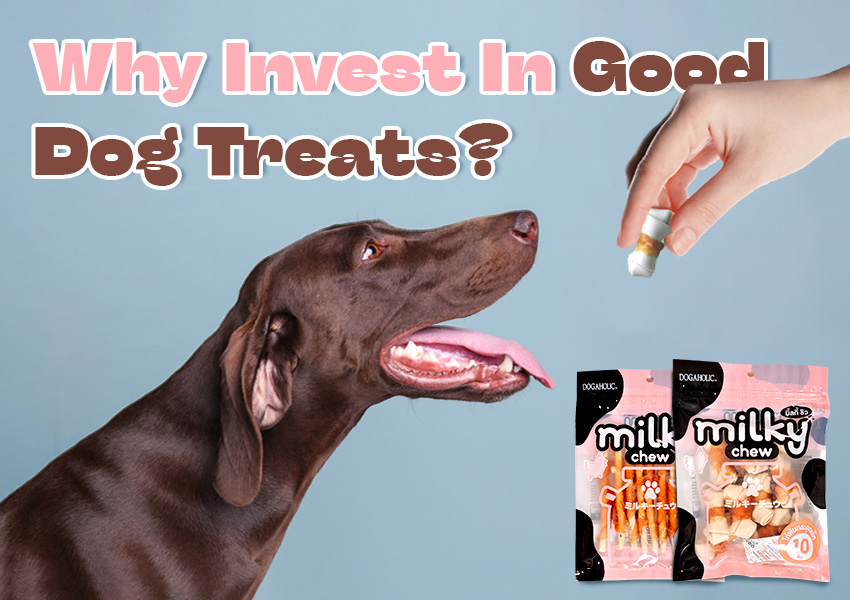
Why You Should Invest in a Good Dog Treat?

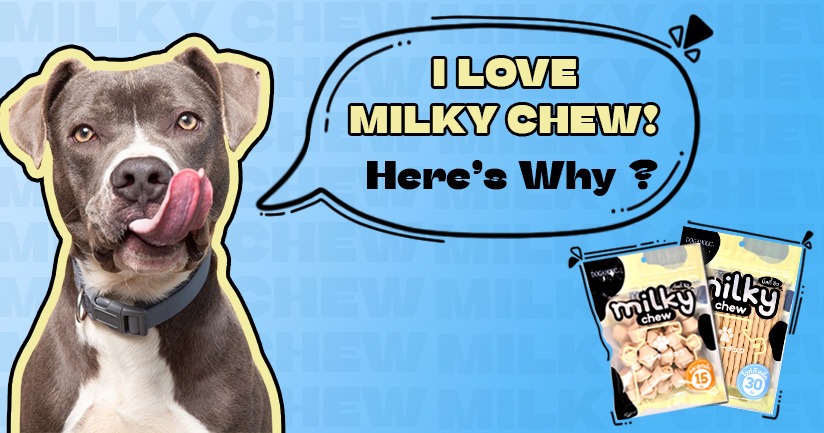
As a pet parent, you want the very best for your furry friend. Providing your dog with a healthy diet is paramount, but treats can play a crucial role too. Heard of Milky Chew Dog Treats? As a pet parent, investing in high-quality dog treats is more than just a way to spoil your pet; it’s about supporting their overall health and well-being. Here’s why you should consider making this smart investment.    What are the Nutritional Benefits of any treats?     High-quality dog treats are crafted with your pet’s nutritional needs in mind. Unlike cheap, mass-produced treats that often contain fillers, artificial flavors, and preservatives, premium dog treats are made with wholesome ingredients. Look for treats with natural proteins, vitamins, and minerals that can supplement your dog’s regular diet. These treats provide essential nutrients that can improve your dog’s coat, skin, and energy levels.    Can it Improve Dental Health in My Pets?     Dental health is crucial for dogs, yet it’s often overlooked. Chewing on high-quality treats can help reduce plaque and tartar buildup, promoting healthier gums and teeth. Some treats are specifically designed to clean your dog’s teeth as they chew, acting like a tasty toothbrush. Regular use of these treats can lead to fewer dental issues and expensive vet visits.    Does it support Better Training and Behavior in pets?     Training your dog can be a challenging task, but the right treats can make it significantly easier. High-value treats serve as excellent motivation and reward for good behavior during training sessions. Investing in good dog treats ensures that your pet remains focused and eager to learn. Additionally, using treats that your dog loves can strengthen the bond between you and your pet.    Are there any Allergy-Friendly Options?     Many dogs suffer from food allergies or sensitivities. High-quality treats often offer allergy-friendly options that cater to dogs with specific dietary needs. These treats are free from common allergens and reduces the risk of allergic reactions and digestive problems. Always check the ingredients list and opt for hypoallergenic treats if your dog has known allergies.    Does it Promote Mental Stimulation?     Dogs need mental stimulation just as much as they need physical exercise. Puzzle treats or interactive treat-dispensing toys can keep your dog mentally engaged, preventing boredom and destructive behavior. These treats encourage your dog to use their problem-solving skills and can provide hours of entertainment.     Longevity and Overall Health     Feeding your dog high-quality treats can contribute to their overall longevity and health. Treats made with natural, nutrient-rich ingredients support your dog’s immune system, helping to prevent illnesses and chronic conditions. Investing in good treats is an investment in your dog’s long-term health and happiness.   Milky Chews: A Tasty Treat for Your Dog     When it comes to pampering our furry friends, providing them with treats that are both nutritious and delicious is a top priority. Milky Chews have emerged as a popular choice among pet owners, and for good reason. These dog treats offer a host of benefits that contribute to the overall well-being of your beloved canine companion. Nutritional Value Packed with essential nutrients like calcium for strong bones and teeth. Fortified with vitamins and minerals for a shiny coat, healthy skin, and good digestion. Dental Health Chewy texture helps reduce plaque and tartar buildup. Promotes fresher breath and healthier gums. High Palatability Irresistible taste and aroma. Great for training, as dogs are highly motivated by these treats. Stress Relief Natural chewing behavior helps alleviate stress and anxiety. Keeps dogs occupied and mentally stimulated, preventing destructive behaviors. Easy to Digest Made from high-quality, easily digestible ingredients. Suitable for dogs of all ages and breeds, even those with sensitive stomachs. Milky Chews are more than just tasty treats; they offer numerous health benefits, making them an excellent addition to your dog’s diet. Treat your furry friend to the goodness of Milky Chews and watch them thrive!    Conclusion Investing in good dog treats is about more than just pampering your pet. It’s about providing them with the nutrition they need, promoting their dental health, aiding in training, catering to their specific dietary needs, offering mental stimulation, supporting ethical brands, and ultimately enhancing their overall health and longevity. The next time you’re in the pet store, think twice before grabbing the cheapest option. Your furry friend deserves the best, and high-quality dog treats are a simple way to show them how much you care.

Why You Should Invest in a Good Dog Treat? Read More »

Milky chews treats, milky chew dog treats amazon, natura ingredients dog treats, vet approved dog treats, Dog treats in Pune, affordable for dog treats

Why Milky Chew Treats are a Healthy Snack Choice for Your Pet?

Imagine your pet’s tail wagging in excitement as you reach for a bag of Milky Chew treats. These delectable snacks are not just tasty but also packed with goodness that your furry friend deserves. Here’s why Milky Chew treats stand out as a healthy snack choice for your pet. What Makes Milky Chew Treats Special? Milky Chew treats are crafted with care, combining delicious flavors with essential nutrients to support your pet’s overall health. Whether you have a playful pup or energetic grown dog, these treats cater to all ages and breeds. Nutritional Benefits of Milky Chew Treats Rich in Protein: Each Milky Chew treat is a protein powerhouse, helping to build strong muscles and maintain a healthy weight. Essential Vitamins and Minerals: Packed with vitamins and minerals like Vitamin E for a shiny coat and Calcium for strong bones, Milky Chew treats ensure your pet receives comprehensive nutrition. Digestive Health: With added fiber and probiotics, Milky Chew treats promote digestive wellness, keeping tummies happy and balanced. Why Choose Milky Chew Treats Over Other Brands? When it comes to selecting treats for your pet, quality matters. Here’s why Milky Chew stands above the rest: Natural Ingredients: Free from artificial flavors and preservatives, Milky Chew treats are made from wholesome ingredients you can trust. Veterinarian Recommended: Trusted by veterinarians, Milky Chew treats are formulated to meet the nutritional needs of pets, ensuring both taste and health benefits. Variety of Flavors: From savory chicken to irresistible Bonr Style treats,, Milky Chew treats offer a range of flavors that keep tails wagging. How to Incorporate Milky Chew Treats into Your Pet’s Diet? Training Rewards: Use Milky Chew treats as positive reinforcement during training sessions, making learning fun and rewarding for your pet. Bonding Moments: Share bonding moments with your pet by offering Milky Chew treats as a token of love and appreciation. Healthy Snack Option: Replace unhealthy snacks with Milky Chew treats to maintain a balanced diet for your pet without compromising on taste. Conclusion: Treat Your Pet to Milky Chew Goodness Today! Milky Chew treats are more than just snacks—they’re a way to show your pet how much you care. With their nutritional benefits and irresistible flavors, Milky Chew treats ensure your pet enjoys a healthy and happy life. Treat your furry companion to Milky Chew goodness and watch them thrive!

Why Milky Chew Treats are a Healthy Snack Choice for Your Pet? Read More »

Treats for large dogs, best dog treats in 2024, Tasty dog treats for lab, Healthy dog treats, Natural ingredients dog treats

Top 10 Chip Chop Treats: Perfect Snacks for Picky Dogs!

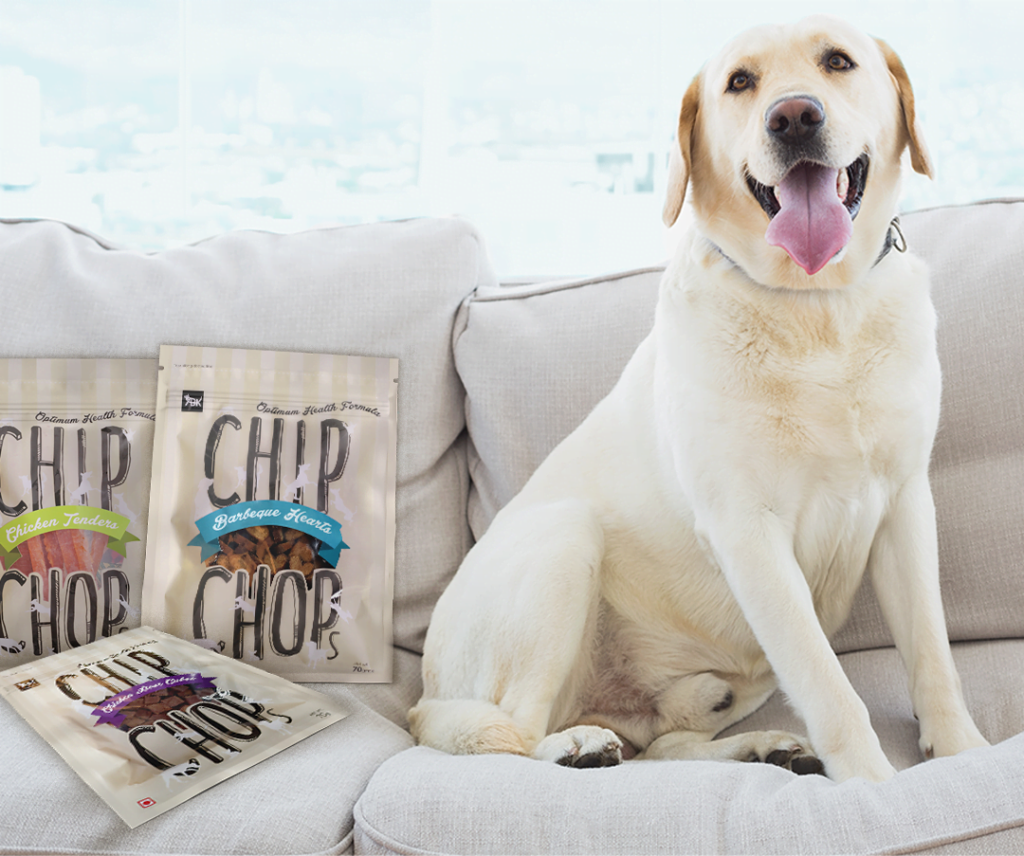
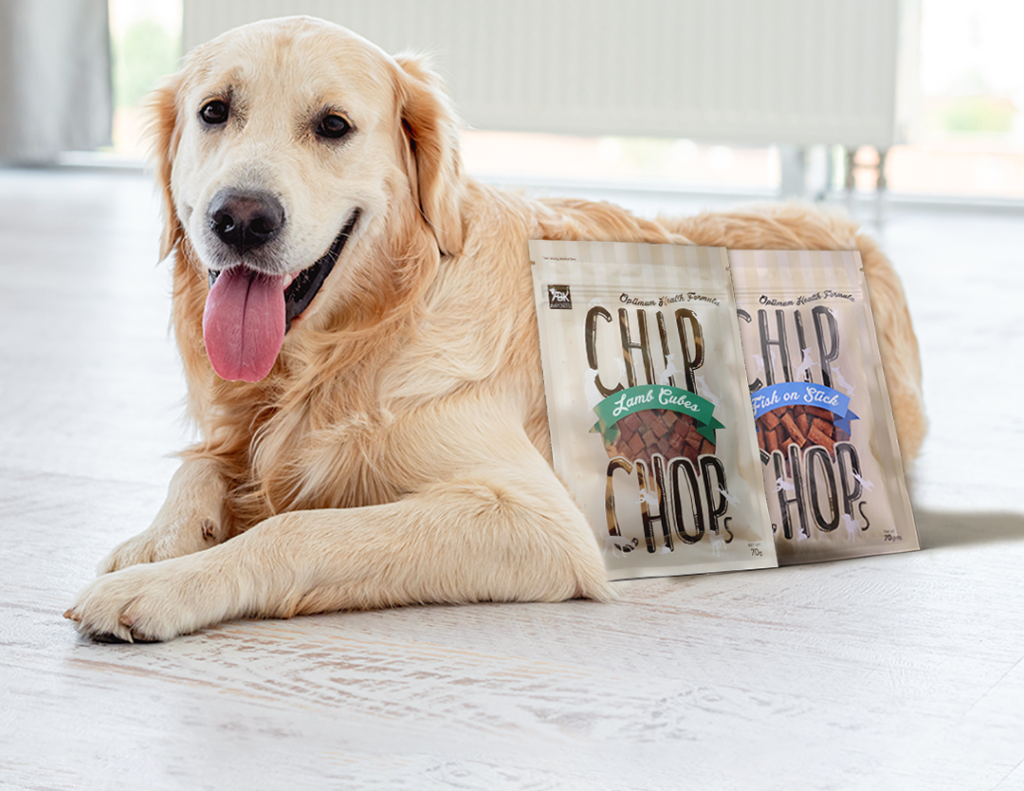
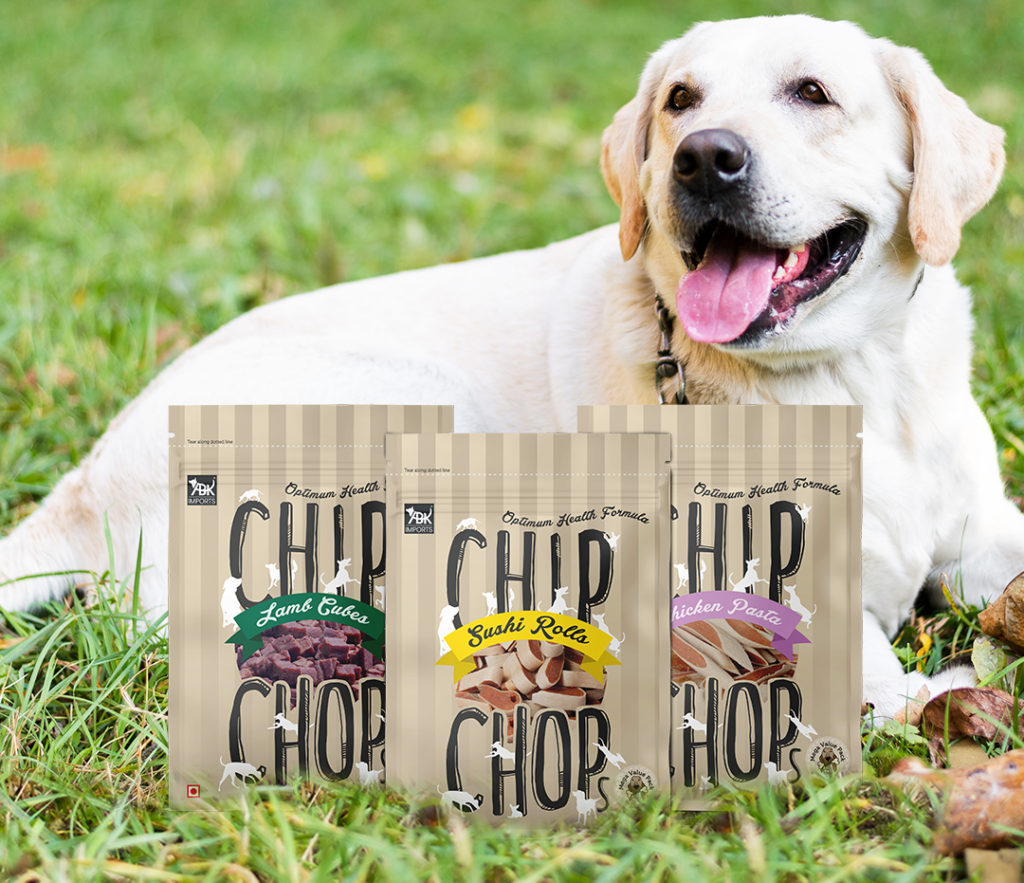
Welcome to Chip Chop Treats, where every bite brings joy to your furry friend! Our top 10 treats are perfect for picky eaters and training sessions alike. From Tender Slice Dog Treats for training to Roast Duck Strips for a gourmet experience, we’ve got something for every palate. Indulge your pet with Lamb Cubes or Chicken Liver Cubes, or boost their energy with Diced Chicken. With Chip Chop, every moment is a delicious adventure. Treat your pup today and watch their tail wag with joy!

Top 10 Chip Chop Treats: Perfect Snacks for Picky Dogs! Read More »

Treats for large dogs, best dog treats in 2024, Tasty dog treats for lab, Healthy dog treats, Natural ingredients dog treats

5 Ways Chip Chop Treats Boost Your Pet’s Training

Every pet parent wants to train their pet Training our furry companions can be both rewarding and challenging. But fear not, for today, we’re delving into the world of Chip Chop Dog Treats and how they can revolutionize your pup’s training routine. These delectable treats aren’t just about satisfying your dog’s taste buds; they’re powerful tools that can transform training sessions into enjoyable experiences for both you and your furry friend. Why Use Dog Treats in Training? Dog treats are like magic tools in dog training! Dogs respond remarkably well to tasty treats when they’ve mastered a command or behavior. By creating a positive association with learning, treats turn training sessions into fun activities for your pet. Plus, they provide instant feedback, helping dogs learn faster. Irresistible Taste That Motivates Chip Chop Dog Treats boast flavors that dogs simply can’t resist! Whether it’s chicken, duck, or lamb, these treats are guaranteed to capture your pup’s attention. Made with high-quality ingredients, each bite is packed with flavor, motivating your furry friend during training sessions. Perfect Size for Training Sessions Timing is crucial in training, and Chip Chop Dog Treats are perfectly sized for quick rewards. Their small, bite-sized pieces make them ideal for teaching new commands or practicing tricks, keeping your pup engaged and motivated throughout the process. Healthy Ingredients for Vitality Nutrition is key, and Chip Chop Dog Treats are made with wholesome, natural ingredients. Free from artificial flavors, colors, or preservatives, these treats prioritize your pet’s health and well-being. Packed with essential nutrients, they support your dog’s overall vitality, from shiny coats to strong bones. Versatility in Training Methods Whether it’s obedience, agility, or tricks, Chip Chop Dog Treats adapt to various training methods with ease. They can be used as positive reinforcement, luring tools, or distractions, making them a must-have in any trainer’s arsenal. Reinforcing Positive Behavior Consistency is vital, and Chip Chop Dog Treats excel at reinforcing positive behavior. By rewarding your pup with these delicious treats, you create a positive association that encourages them to repeat desired actions, strengthening the bond between you and your furry friend. Conclusion: Chip Chop Dog Treats offer a myriad of benefits that can enhance your pup’s training routine. From their irresistible taste and perfect size to their healthy ingredients and versatility, these treats are a game-changer for both you and your furry companion. Treat your pup to the best and watch as they unleash their full potential with Chip Chop Dog Treats by their side. Happy training! For more engaging pet care insights, visit us at ABK Imports and explore ABK Grooming for expert tips and tricks!

5 Ways Chip Chop Treats Boost Your Pet’s Training Read More »

The Ultimate Guide to Chip Chop Treats for Pet Parents

As a pet parent, one of the greatest joys is seeing our furry companions wagging their tails in excitement, especially when they’re rewarded with a tasty treat. However, it’s crucial to recognize that not all treats are created equal. Just like humans, our pets have specific nutritional needs, and the treats we choose play a significant role in their overall health and well-being. Selecting healthy treats is paramount for ensuring our pets lead happy and healthy lives. While it’s tempting to indulge them with every snack imaginable, it’s essential to prioritize quality over quantity. Chip Chop treats offer a convenient and delicious option for rewarding our pets, but understanding their nutritional needs and incorporating treats into their diet responsibly is key. Nutritional Needs Before diving into the world of Chip Chop treats, it’s crucial to understand your dog’s dietary requirements. Dogs require a balanced diet consisting of protein, carbohydrates, fats, vitamins, and minerals to thrive. When selecting treats, look for options that complement their regular diet and provide nutritional value. Chip Chop treats come in various flavors and formulations, allowing you to cater to your dog’s specific needs. Whether your furry friend prefers chicken, beef, or vegetarian options, there’s a Chip Chop treat suitable for every palate. Additionally, consider factors such as your dog’s age, size, and activity level when choosing treats to ensure they receive the appropriate nutrients. Secret for Happy Pets: Chip Chop Treats. Chip Chop has become the favorite for every pet that comes across it. Chip Chop is chosen by pet parents across India due to various factors that make it a star among our four-legged customers. Let’s read more about such factors. Affordable Prices These budget friendly treats are not only tasty but light on your wallet as well. The prices are affordable so our furry friends get to enjoy every bite. The treats are economical and packed with love.  Versatile Flavors Whether you prefer basic flavors of Chicken, Lamb, or Fish that are the ultimate winner for your pet’s taste buds or you like to experience something new like Sushi Rolls, Biscuit twined with Chicken, Chicken Pasta, or Liver cubes. Let your pup choose from a variety of dog treats so there is always something new waiting for them. Easily Digestable Treats that are easy on our pup’s stomach are necessary as it helps maintain the adequate balance to digest and ingest the required nutrients to build strength and muscles in the body.  Compliments regular meals Chip Chop Treats compliments the regular meal intake of your pet. You can serve Chip Chop treats as a snack after playtime or as a reward for a good training session. Treats are high in nutrients and proteins that provide additional energy to your pets. Resealable Package The package comes in a resealable pack that keeps the treats fresh and crunchy for your pet. Simply tear it open, treat your pup to their favourite snack, and zip it closed to preserve flavour and texture. Perfect for on-the-go adventures or everyday training sessions, our resealable packs are designed to make life easier for both you and your furry friend.  Tips for Introducing Treats Introducing treats into your dog’s diet requires patience and consistency. Start by selecting a high-quality Chip Chop treat that aligns with your dog’s preferences and dietary requirements. When introducing a new treat, offer it in small portions to gauge your dog’s reaction and ensure they tolerate it well. Gradually incorporate treats into your dog’s daily routine, using them as rewards for good behavior or during training sessions. This not only reinforces positive behavior but also strengthens the bond between you and your pet. Remember to monitor your dog’s overall calorie intake and adjust their regular meals accordingly to prevent overfeeding. Conclusion In conclusion, Chip Chop treats can be a delightful addition to your dog’s diet when chosen and administered responsibly. By understanding your dog’s nutritional needs and selecting treats that align with their dietary requirements, you can ensure they receive the essential nutrients they need to thrive. Introduce treats gradually, using them as rewards for good behaviour and training sessions, and always practice portion control to prevent overindulgence. With the right approach, Chip Chop treats can enhance the bond between you and your pet while promoting their overall health and well-being.

The Ultimate Guide to Chip Chop Treats for Pet Parents Read More »

Scroll to Top